 نزدیکی سدهای ایران به تأسیسات موشکی، سند ارتباط نظامی نیستآیا سدهای ایران برای پایگاههای موشکی ساخته شدهاند؟راهنمای جامع شناسایی و مدیریت سفیدک سطحی در محصولات کشاورزییارانه کود شیمیایی مستقیم به حساب کشاورزان واریز می شودامنیت غذایی جهان در گرو بازگشایی تنگه هرمز؛ سازمان ملل بار دیگر هشدار دادگسترش سامانههای نوین آبیاری نیازمند بودجه کافیپیش بینی افزایش تولید برنج با فصلهای پر بارانآیا مصوبه جدید دولت گره کشت پاییزه را باز میکند؟ + فیلمهشدار هواشناسی؛ آمادهباش بخش کشاورزی در آستانه فعالیت سامانه بارشیبرنج در آسیا گران شدکمتر از یک درصد محصولات کشاورزی ارگانیک استهشدار به کشاورزان درباره بارش و افت دما+فیلمگذار از حمایت سنتی به تجارت هوشمندتوافق دامداران و صنایع لبنی برای افزایش قیمت شیر خاممزارع زعفران شناسنامه دار می شودواکنش معاون وزیر جهاد به اعتراض کشاورزان بابت افزایش قیمت کودسرخرطومی حنایی؛ تهدید پنهان نخلستانهای کشورراهنمای عملی کشاورزی در مواجهه با تغییرات جوی پیشروادامه بارشهای فراتر از نرمال در آبان؛ هشدار درباره سیلابهای ناگهانیکشاورزان با چالش جدی در تأمین سوخت روبهرو هست

Powdery mildew is among the most prevalent crop diseases worldwide. It is especially problematic for barley producers since it can result in severe economic losses due to yield decline and a decrease in grain quality. Although a fungus, this tricky disease can live in environments that would kill most other fungi. Therefore, effective management of powdery mildew on plants relies on early diagnosis and an integrated approach that includes cultural, biological, and chemical control. To help you keep powdery mildew fungus at bay, we will review the most effective methods and technologies for controlling the disease.
سفیدک سطحی (Powdery Mildew) یکی از شایعترین بیماریهای گیاهی در سراسر جهان است. این بیماری برای تولیدکنندگان جو (Barley) یک چالش اساسی محسوب میشود، چرا که میتواند با کاهش عملکرد (Yield) و افت کیفیت دانه، خسارات اقتصادی شدیدی به بار آورد. اگرچه این بیماری قارچی است، اما میتواند در شرایطی زنده بماند که برای بسیاری از قارچهای دیگر کشنده است. بنابراین، مدیریت مؤثر سفیدک سطحی بر پایه تشخیص زودهنگام و رویکردی تلفیقی شامل مدیریت زراعی، بیولوژیک و شیمیایی استوار است. در ادامه، مؤثرترین روشها و فناوریهای کنترل این بیماری را بررسی خواهیم کرد.
What Is Powdery Mildew?
Powdery mildew is a host-specific fungal disease of global occurrence. It is easily recognized by a powdery formation on plants. The disease can affect virtually all kinds of plants, including grasses, fruits, vines, vegetables, and grain crops.
سفیدک سطحی چیست؟
سفیدک سطحی یک بیماری قارچی با میزبانهای اختصاصی است که در سراسر جهان یافت میشود. این بیماری بهسادگی با تشکیل پوشش پودری روی گیاهان قابل شناسایی است. تقریباً تمام گونههای گیاهی از جمله غلات، درختان میوه، تاکستانها و سبزیجات میتوانند به آن مبتلا شوند.
Powdery mildew vs. downy mildew
Although downy mildew feeds on diseased plants and looks like a fungus, it is actually an obligatory parasite. In contrast to powdery mildew, it prefers damp, chilly places.
تفاوت سفیدک سطحی (آشکار) و سفیدک داخلی (دروغی):
اگرچه سفیدک داخلی (Downy Mildew) از گیاهان بیمار تغذیه میکند و ظاهر قارچمانند دارد، اما در واقع یک «انگل اجباری» است. برخلاف سفیدک سطحی، این بیماری محیطهای مرطوب و خنک را ترجیح میدهد.
What Causes Powdery Mildew On Plants?
Pathogens that cause powdery mildew vary for different plant species. Some of the most prevalent fungal races responsible for this crop disease are Erysiphe, Leveillula, and Sphaerotheca.
چه عواملی باعث ایجاد سفیدک سطحی روی گیاهان میشوند؟
عوامل بیماریزای مسبب سفیدک سطحی بسته به نوع گونه گیاهی متفاوت است. برخی از رایجترین گونههای قارچی مسئول این بیماری شامل Erysiphe، Leveillula و Sphaerotheca هستند.
Powdery mildew causal organism for different crops
Causal organism —– Host plants
Erysiphe graminis —– Barley, millet, sorghum, wheat, oats, rye, other grasses and cereals
جو، ارزن، سورگوم، گندم، یولاف، چاودار، سایر گندمیان و غلات
Erysiphe cichoracearum —– Cucumbers, endive, lettuce, melons, potato, pumpkin, squash
خیار، کاسنی، کاهو، خربزه، سیبزمینی، کدو تنبل، کدو
Erysiphe cruciferarum —– Broccoli, Brussels sprouts, cauliflower and other cole crops, radicchio, radishes, turnips
کلم بروکلی، کلم بروکسل، گلکلم و سایر کلمسانان، کاسنی فرنگی، تربچه، شلغم
Erysiphe lycopersici —– Tomatoes
گوجهفرنگی
Erysiphe pisi —– Peas
نخود فرنگی
Erysiphe heraclei —– Carrots, parsley, parsnips
هویج، جعفری، جعفری فرنگی
Erysiphe polygoni —– Beets
چغندر
Leveillula taurica —– Artichoke, eggplant, peppers, tomatillo, tomatoes
کنگر فرنگی، بادمجان، فلفل، گوجهفرنگی
Sphaerotheca fuliginea —– Beans, black-eyed peas, cucurbits, okra
لوبیا، لوبیا چشمبلبلی، کدوئیان، بامیه
How Does Powdery Mildew Spread?
As the fungus colonizes your crops, it will cover the tops of the leaves with a layer of mildew consisting of numerous spores. Mycelium, the threadlike structure that powdery mildew forms, never goes inside the plant tissues; instead, it stays on the surface. In their quest for nutrition, fungi reach plant epidermal (outermost layer) cells through haustoria, which resemble root structures.
سفیدک سطحی چگونه منتشر میشود؟
همزمان با کلنیسازی قارچ روی محصول، لایهای از سفیدک شامل تعداد بیشماری اسپور، سطح برگها را میپوشاند. میسلیوم (ساختار رشتهمانند قارچ) هرگز به داخل بافتهای گیاهی نفوذ نمیکند، بلکه روی سطح باقی میماند. قارچها برای دستیابی به مواد مغذی، از طریق «هاستوریوم» (ساختارهای ریشهمانند) به سلولهای اپیدرمی (روپوست) گیاه نفوذ میکنند.
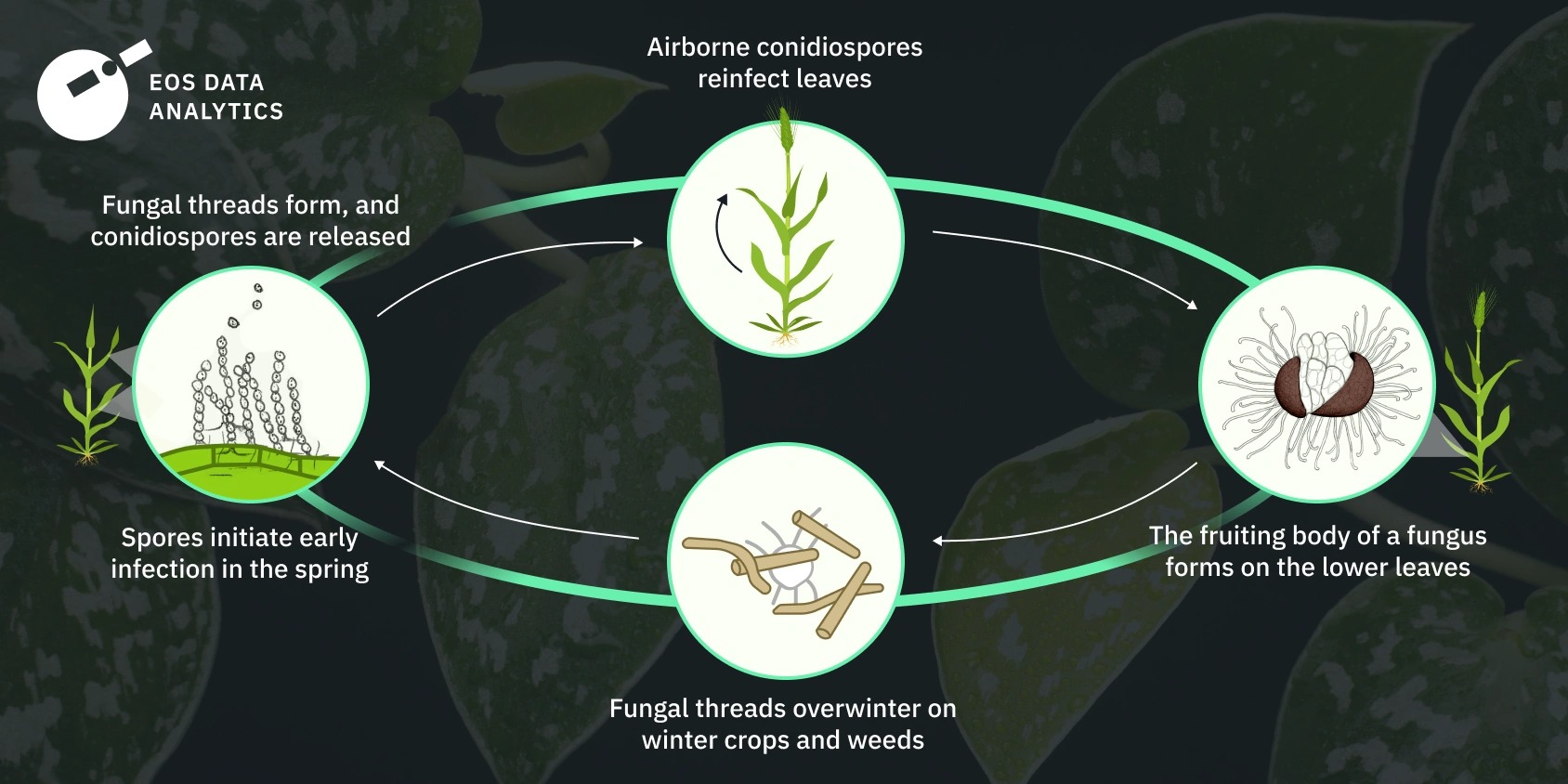
Fungus, in the form of mycelium and cleistothecia (fruiting bodies), overwinters on winter crops, weeds, and crop residue. As the weather warms up in the spring, cleistothecia release spores into the air. The wind, insects, or splashing raindrops carry these spores, which then infect susceptible neighboring plants. Spores from adjacent winter crops can harm spring crops, but wheat and barley aren’t in danger from one another.
قارچ بهصورت میسلیوم و کلیستوتس (اندامهای باردهی) در محصولات زمستانه، علفهای هرز و بقایای گیاهی زمستانگذرانی میکند. با گرم شدن هوا در بهار، کلیستوتسها اسپورها را در هوا آزاد میکنند. باد، حشرات یا قطرات باران این اسپورها را حمل کرده و گیاهان حساس مجاور را آلوده میکنند. اسپورهای حاصل از محصولات زمستانه میتوانند به محصولات بهاره آسیب بزنند، اما گندم و جو تهدیدی برای یکدیگر محسوب نمیشوند.
Conditions Influencing The Development Of Powdery Mildew Disease
Unlike most fungal and bacterial diseases, powdery mildew does well in warm and dry conditions, without freestanding moisture on the leaves. However, the fungus can only propagate in humid environments. Ideal conditions for powdery mildew are found in shaded or dimly lit areas with temperatures between 68 and 86°F (20 and 30°C) and relative humidity levels above 95%. Factors beyond weather that impact the progression of the disease include the variety, age, and condition of the host plant.
شرایط محیطی مؤثر بر گسترش بیماری
برخلاف اکثر بیماریهای قارچی و باکتریایی، سفیدک سطحی در شرایط گرم و خشک، بدون وجود رطوبت آزاد (شبنم یا قطرات آب) روی برگها، بهخوبی رشد میکند. با این حال، قارچ فقط در محیطهای مرطوب (رطوبت نسبی بالا) میتواند تکثیر شود. شرایط ایدهآل برای این بیماری در مناطق سایهدار یا کمنور با دمای بین ۲۰ تا ۳۰ درجه سانتیگراد و رطوبت نسبی بالای ۹۵ درصد است. علاوه بر آبوهوا، نوع رقم، سن و وضعیت سلامت گیاه میزبان نیز در پیشرفت بیماری تأثیرگذار است.
Visual Signs And Symptoms Of Powdery Mildew
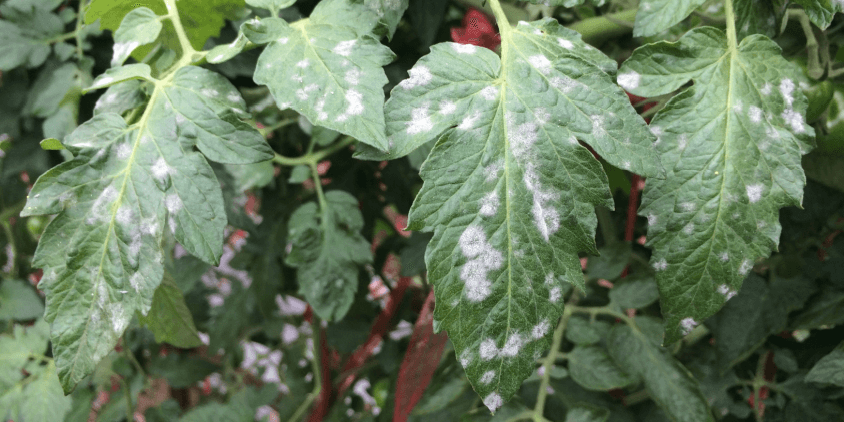
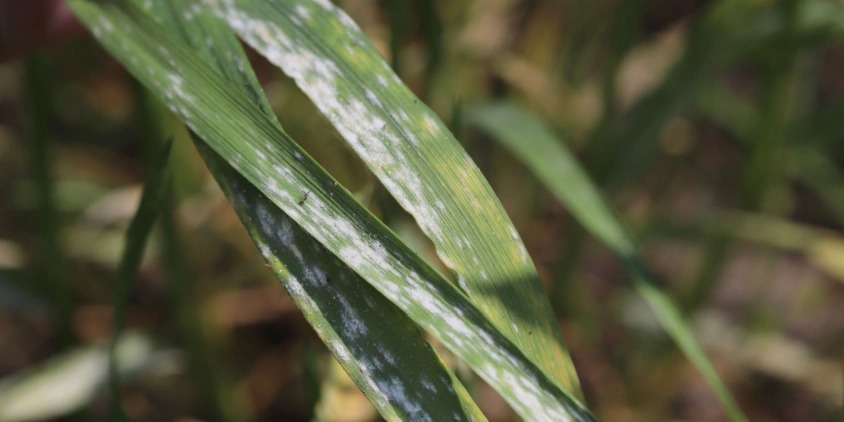
The early signs usually show up on the upper sides of the leaves, but they can start on the lower ones as well. What does powdery mildew look like? Be on the lookout for purple or reddish blotches, uneven patches, chlorotic spots, and necrotic lesions. A white or gray powdery mold, indicative of the fungus, might later form on diseased plant tissue. Although the fungi can invade mature tissues, they mostly target young shoots, leaves, and flowers.
Early wilting, browning, and falling of diseased leaves are possible. Atypical scab-like sores, leaf rolling, curled or twisted shoots, and stunted plant development are among the other powdery mildew symptoms. In severe cases of disease, plants can perish; however, this is extremely rare.
White powdery mildew is easy to diagnose, but if plants aren’t checked often, symptoms that appear on lower or middle leaves could go unnoticed. Delays in detecting the disease likely account for the dramatic increase in sick leaf percentages, which can jump from 10% to 70% in as little as a week.
علائم و نشانههای ظاهری سفیدک سطحی
علائم اولیه معمولاً در سطح فوقانی برگها ظاهر میشوند، اما ممکن است از برگهای پایینی نیز شروع شوند. علائم شامل لکههای بنفش یا قرمز، لکههای نامنظم، نقاط کلروتیک (زردی) و ضایعات نکروتیک (بافتمرده) است. یک کپک پودری سفید یا خاکستری، که نشاندهنده قارچ است، ممکن است بعداً روی بافت بیمار شکل بگیرد. اگرچه قارچها میتوانند به بافتهای بالغ حمله کنند، اما عمدتاً شاخسارههای جوان، برگها و گلها را هدف قرار میدهند.
پژمردگی زودرس، قهوهای شدن و ریزش برگهای بیمار از دیگر علائم است. زخمهای غیرعادی شبیه دلمه (scab)، پیچخوردگی برگها، کج شدن شاخسارهها و توقف رشد گیاه نیز دیده میشود. در موارد شدید، گیاه ممکن است از بین برود که البته بسیار نادر است.
تشخیص سفیدک سطحی سفید بسیار آسان است، اما اگر مزارع بهطور منظم بررسی نشوند، علائم روی برگهای پایینی یا میانی ممکن است نادیده گرفته شود. تأخیر در شناسایی بیماری، دلیل اصلی افزایش ناگهانی درصد برگهای آلوده است که میتواند در عرض تنها یک هفته از ۱۰ درصد به ۷۰ درصد برسد.
How To Prevent Powdery Mildew
The best way to protect your crops from the negative effects of powdery mildew is to prevent it from spreading in your fields. The most common ways to accomplish this are:
چگونه از سفیدک سطحی پیشگیری کنیم؟
بهترین راه محافظت از محصولات در برابر اثرات منفی سفیدک سطحی، جلوگیری از گسترش آن در مزرعه است. رایجترین روشها عبارتند از:
How To Control Powdery Mildew
While the bulk of powdery mildew solutions are meant to prevent the disease, there are numerous options for dealing with an existing infestation. To get the most out of the remedy, you might need to apply it several times. Evaluate the results after about a month of weekly applications, and repeat if needed.
روشهای کنترل سفیدک سطحی
اگرچه بخش عمدهای از راهکارها برای پیشگیری است، اما گزینههای متعددی برای مقابله با آلودگی موجود نیز وجود دارد. برای اثربخشی بیشتر، ممکن است نیاز به چندین بار سمپاشی باشد. بعد از حدود یک ماه سمپاشی هفتگی، نتایج را ارزیابی و در صورت نیاز تکرار کنید.
Chemical Control Of Powdery Mildew
The most common means for powdery mildew control are fungicides applied repeatedly, including the following ones:
کنترل شیمیایی
رایجترین روشها شامل استفاده مکرر از قارچکشهاست:
– بیکربنات پتاسیم: بهسرعت اسپورها را از بین میبرد. این قارچکش تماسی (مورد استفاده در کشاورزی ارگانیک) با دوز ۱۰ گرم در لیتر، میتواند اسپورزایی پاتوژن را تا ۸۰ درصد کاهش دهد.
– قارچکشهای گوگردی: بهصورت پودر یا محلول پاشی بسیار مؤثر در جلوگیری از رشد قارچ هستند. اما باید مراقب بود؛ استفاده از گوگرد در دمای بالا یا همراه با برخی روغنها ممکن است به گیاه آسیب بزند.
– تریازولها: قارچکشهای سیستمیک هستند که جذب گیاه شده و اثر محافظتی طولانیمدت دارند. آنها با ممانعت از تولید استرولها، از رشد قارچ جلوگیری میکنند.
– قارچکشهای مسی: برای کنترل سفیدک سطحی مؤثرند، اما باید مراقب دوز مصرف بود تا از تجمع بیش از حد مس در خاک و سمیت آن برای گیاه جلوگیری شود.
– پراکسید هیدروژن (آب اکسیژنه): جایگزینی ایمنتر برای برخی قارچکشهای سنتتیک (مصنوعی) است. محلول ۳ درصد را روی هر دو طرف برگها بپاشید؛ در صورت لزوم هفتهای یکبار تکرار کنید.
Cultural Powdery Mildew Treatment
Аdhering to the following cultural practices can prevent or restrain the development of the disease:
کنترل زراعی
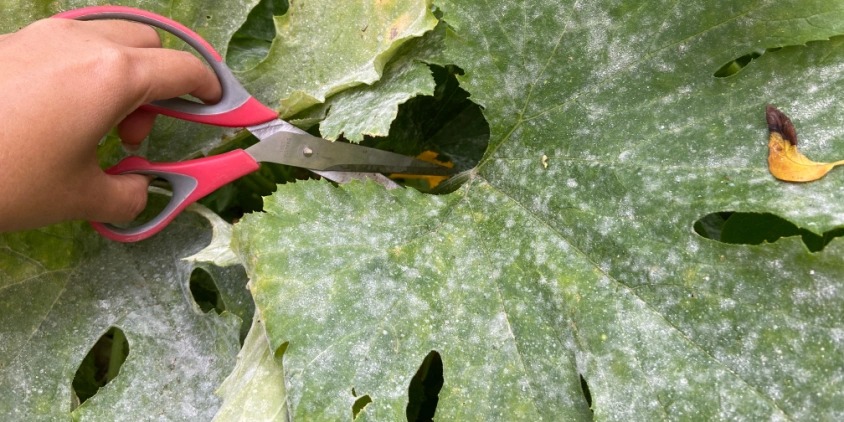
– حذف اندامهای آلوده: شامل هرس برگها، ساقهها و جوانهها. بقایای حذف شده را به جای کمپوست کردن (چون اسپورها در کمپوست زنده میمانند) امحا کنید. ابزارهای هرس را ضدعفونی کنید.
– شستوشوی برگها: صبح زود برگها را با آب بشویید تا اسپورهای قارچی شسته شوند. این کار باعث میشود شاخسارهها در طول روز خشک شوند و ریسک سایر بیماریهای قارچی ناشی از رطوبت زیاد کاهش یابد.
Natural Powdery Mildew Treatment
There are quite a few natural remedies for powdery mildew. Some of them include:
کنترل طبیعی
– روغن چریش (Neem Oil): اثربخشی آن به عنوان یک درمان مستقل مورد بحث است، اما افزودن آن به ترکیبهای دیگر میتواند کارایی را افزایش دهد.
– بیکربنات سدیم (جوش شیرین): بهعنوان استراتژی پیشگیرانه مؤثرتر است، اما گسترش بیماری موجود را نیز کاهش میدهد.
– شیر: کاربرد دوگانه دارد؛ مبارزه با بیماری و تقویت ایمنی گیاه. بهویژه در کشت هندوانه و سایر گونههای خانواده کدوئیان.
Integrated Pest Management (IPM) Against Powdery Mildew
Integrated pest management refers to a set of farming practices aimed at improving crop health. Since IPM is not a single technique but rather a blend of various techniques, with a preference for sustainable methods whenever possible, it employs some of the methods listed above. Methods of integrated pest management against powdery mildew on crops include the following:
مدیریت تلفیقی آفات (IPM) علیه سفیدک سطحی
مدیریت تلفیقی آفات (IPM) مجموعهای از روشهای زراعی با هدف بهبود سلامت محصول است که اولویت را به روشهای پایدار میدهد. متدهای IPM شامل موارد زیر است:
EOSDA Crop Monitoring Solutions To Help Prevent And Get Rid Of Powdery Mildew
Сrop monitoring technologies using remote sensing empowers farmers to keep tabs on abiotic factors that promote disease growth, the infestation process, and the effects of prevention and treatment. With EOSDA Crop Monitoring, you can efficiently monitor field conditions, anticipate upcoming changes, and strategically manage agricultural operations, including proactive measures to safeguard crops from diseases.
فناوریهای نوین در پیشگیری و مدیریت
فناوریهای «سنجش از دور» به کشاورزان کمک میکند عوامل محیطی تشدیدکننده بیماری را پایش کنند. با استفاده از پلتفرمهای مانیتورینگ محصول (مانند EOSDA Crop Monitoring)، میتوانید:
۱- ارزیابی ریسک بیماری: با ترکیب پیشبینی دقیق وضع هوا و مرحله رشد محصول، احتمال بروز بیماری را پیشبینی کنید.
۲- استفاده از گزارش فعالیتهای مزرعه: ثبت و نظارت بر فعالیتهای زراعی (هرس، سمپاشی) در همه فیلدها بهصورت یکپارچه.
۳- پایش (Scouting) زودهنگام: بازدیدهای میدانی هدفمند بر اساس دادههای ماهوارهای و مختصات GPS برای شناسایی کانونهای آلودگی.
















دیدگاهتان را بنویسید